Competition was once just a relatively contained space in the online world. It existed inside multiplayer games, esports tournaments, and niche ranking systems where players measured skill against one another through clearly defined rules. Yet outside those environments, much of the internet functioned under a different set of rules. Social platforms pushed for communication, forums prioritized discussion, and content creation operated at a pace where attention wars were not as aggressive as they are today.
This state of things, however, has changed.
Today, competition shapes far more of our digital life than it once did. Visibility is measured publicly through followers, likes, shares, and engagement metrics. Recommendation systems judge and rank creators while platforms reward consistency, speed, and optimization above all else. Even personal productivity increasingly depends on measurable indicators of progress in either the visual form or because of its mechanics. The internet has not literally transformed into a game, but many of the systems governing online behavior now operate according to competitive logic that would have once felt familiar primarily to gamers.
From Leaderboards to Algorithms
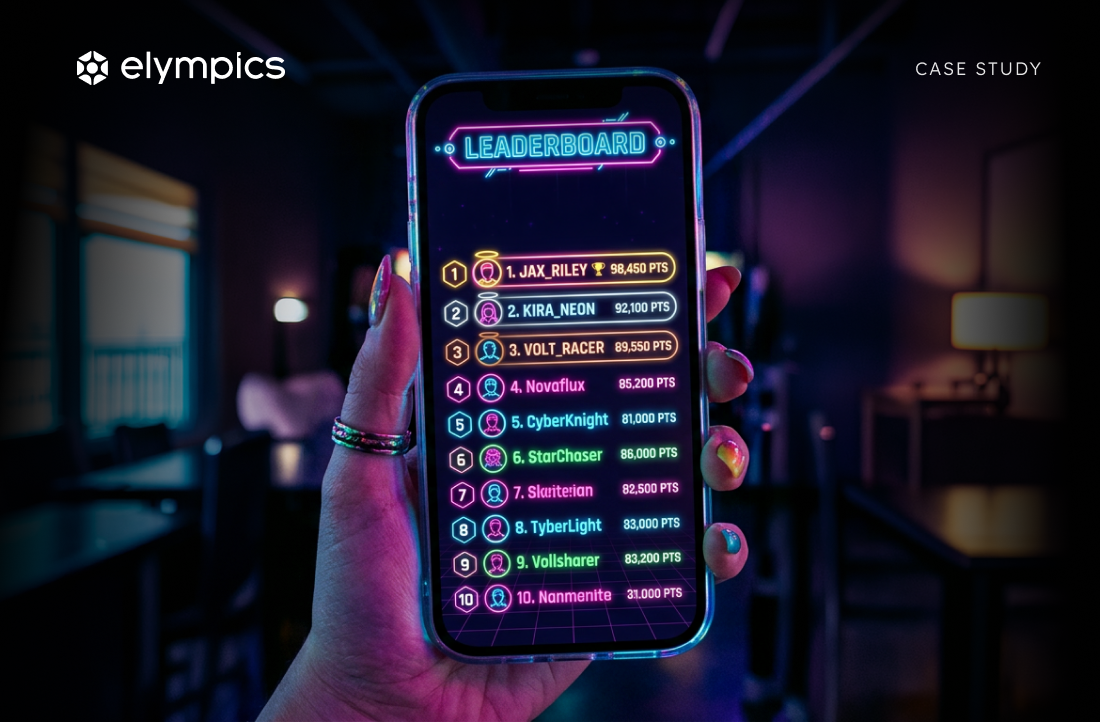
Competitive games normalized systems where performance was visible, measurable, and updated. Players understood their position relative to others because rankings, statistics, and progression systems made the status clearly visible, if not explicit.
Over time, this structure proved to be remarkably effective at sustaining engagement as leaderboards began to create goals to chase and matchmaking created tension that made the users come back for the rush of adrenaline they needed. Over time, similar mechanics began appearing outside the realm of games, sipping into the online world we all interact with on an everyday basis.
Today, wherever we look, we will see that social platforms increasingly organize visibility of creators through algorithmic competition, be it via posts that compete for attention or creators who compete for discoverability. Metrics that once served primarily analytical purposes gradually turned into public indicators of influence, relevance, and above all… of status.
The Gamification of Online Behavior
Much of modern internet culture now revolves around systems that reward optimization of some sort. Users and creators quickly learn how algorithms behave, adjust their strategies accordingly, measuring their performance through publicly visible metrics. This dynamic resembles gaming culture more closely than any past internet models we can think of, and while to many it may seem like a stretch, to those well-versed in gaming mechanics this comparison is obvious.
In competitive games, players study their actions and mechanics to improve outcomes. They refine strategies, optimize performance, and search for all the marginal improvements that can offer even the smallest advantage. Similar behavior is now clearly visible all across the platforms focused on creating content and most popular social networks. What we see today is content creators experiment with thumbnails, upload schedules, engagement hooks, and audience retention tactics in ways that closely resemble competitive adaptation we have seen in gaming.
This shift does not necessarily mean users consciously experience social media as a game, but the fact that online systems increasingly reward behaviors associated with competitive environments should not be discarded.
Games were among the first large-scale digital environments built around measurable progression and transparent performance systems, where millions of users grew comfortable operating inside structures where improvement could be quantified and compared. Younger generations grew up in the world where ranking systems and progression mechanics were present long before similar structures dominated social platforms and as a result, competitive logic to them seems natural or even intuitive rather than unusual.
The Creator Economy as Competitive Ecosystem
The creator economy gives us one of the clearest examples of this transformation. Content creation is often described as creative work, although its infrastructure more closely resembles a competitive environment we know from games.
All the time creators compete for attention, visibility, and audience retention inside systems governed by algorithms that reward performance. Their actions produce metrics that are then updated in real time and in turn offer a sort of “popularity rankings” that fluctuate, effectively creating some sort of public leaderboards. This way, success depends not only on creativity of the creator, but also on the adaptation based on data they gather and process.
This creates behavioral patterns that are remarkably similar to those found in competitive games, creating a very similar feedback loop and mindset to ones we can find in gaming. To put it differently, creators study platform mechanics the same way players study game systems. They analyze data, test strategies, and optimize content formats to improve their outcomes. Because of this, the process itself becomes more iterative and performance-driven rather than purely creative. Even audience behavior is a part of this shift. Today, communities form around measurable growth, certain milestones, and visibility metrics in ways that closely mirror competitive ecosystems.
One can say that it has always been this way, however, the shift in the underlying mechanics of content creation made this even more visible, to the point of becoming obvious to those involved.
That said, competition online is no longer limited to winning in the traditional sense. Instead, it increasingly acts as a broader social structure organizing participation and attention. This is a significant point to make while discussing why competitive systems remain so effective at sustaining communities. It is because competition creates recurring goals, visible progress, and shared standards of achievement. People return because the system gives their interactions the momentum they need. In other words, the same motivational structures we know from gaming are now shaping much of digital life we all live.
What This Means for Gaming Ecosystems
Ironically, games may be uniquely equipped to handle this ongoing shift way better than many expect, simply because competitive systems have always been central to their design. In other words, competitiveness runs through the veins of those involved with games.
Game developers understand that competition functions best when systems are seen as fair, transparent, and skill-based. Matchmaking, rankings, and progression systems succeed only when users trust the structure supporting them, and are willing to become a part of said structures themselves. This is particularly important today since we are living through times when gaming ecosystems become much more socially integrated. Infrastructure providers such as Elympics are operating within environments where competition extends beyond isolated systems of games and travels further into broader identity and participation mechanisms that govern online presence.
Transparent rankings, deterministic execution, or persistent performance histories are not simply technical features one can boast about and then move on to something else. These are the key elements of establishing trust inside systems where measurable performance is a foundation on which social structures can be built, and later on elevate a certain game to reach the status of an icon.
Competitive Internet
The internet did not suddenly become competitive overnight. This shift happened gradually as digital systems began adopting more measurable forms of participation, visibility, and progression from the world where competition is the driving force of users' engagement - from games. They played a significant role in preparing users for this environment because they normalized interaction through rankings, optimization, and visible performance long before these mechanics were seen anywhere else online.
Today, however, competitive structures influence much more than just esports or multiplayer games. These structures and mechanics shape creator economies, social platforms, productivity tools, and online communities across nearly every category of digital life.
In many ways, gaming did not simply create competitive entertainment.
It helped create a competitive internet.
- - - - - - - - -
Enjoyed this article? Dive deeper into the future of gaming by exploring more insights and stories on our blog. And if you wish to stay updated with announcements, game launches, and behind-the-scenes follow Elympics on X
Track your progress, reputation, and growth across every game - your journey starts in the Elympics Player’s Cockpit.